Health Risks Associated With Mice and Rats in Buildings
Local contractors specializing in mice and rat pest control can help reduce health risks associated with mice and rats in buildings by safely removing pests and preventing contamination.
If property owners notice signs of mice or rats in their buildings, understanding the health risks associated with these pests becomes essential. Mice and rats can carry and transmit a variety of illnesses through their droppings, urine, and bites, potentially affecting the health of residents, employees, or visitors. Recognizing the importance of addressing these issues promptly can help prevent the spread of disease and protect everyone in the building environment. Local contractors experienced in mice and rat pest control are equipped to assess the situation, implement effective removal strategies, and help mitigate these health concerns.
Exploring this topic is especially relevant for those who want to maintain a safe and healthy property. Uncontrolled rodent activity not only poses health risks but can also lead to structural damage and contamination of food supplies. Engaging with local service providers who specialize in mice and rat pest control offers practical solutions to manage these risks efficiently. Keep reading to learn more about how professional assistance can help safeguard your building against the health hazards associated with mice and rats.
- Rodent exclusion services - needed when evidence of mice or rats in buildings raises concerns about disease transmission and contamination, with local contractors implementing targeted removal and sealing techniques.
- Infestation cleanup and sanitation - required after rodent activity has been identified, as local service providers focus on removing droppings and disinfecting affected areas to reduce health risks.
- Rodent proofing and sealing - necessary when ongoing mouse or rat presence threatens health, with local pros installing barriers to prevent future entry and minimize contamination.
- Wildlife removal and exclusion - sought when rodents are nesting in inaccessible areas, with local contractors safely removing animals and securing entry points to prevent health hazards.
- Preventative pest control programs - recommended for properties with a history of rodent issues, as local service providers establish ongoing measures to reduce health risks associated with mice and rats.
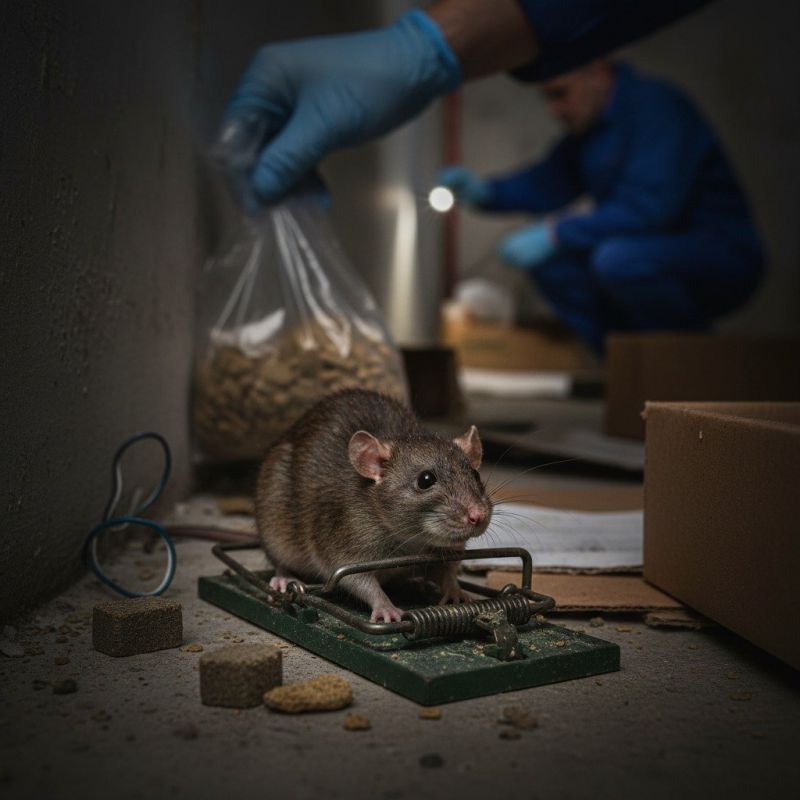
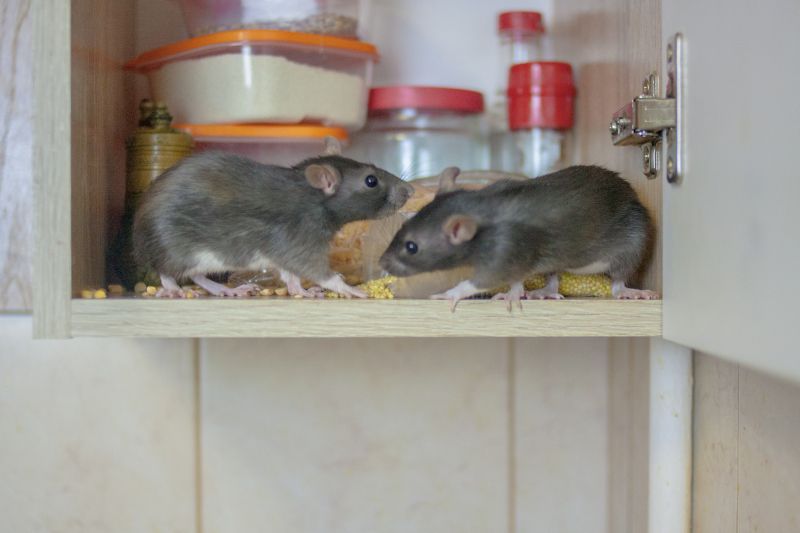
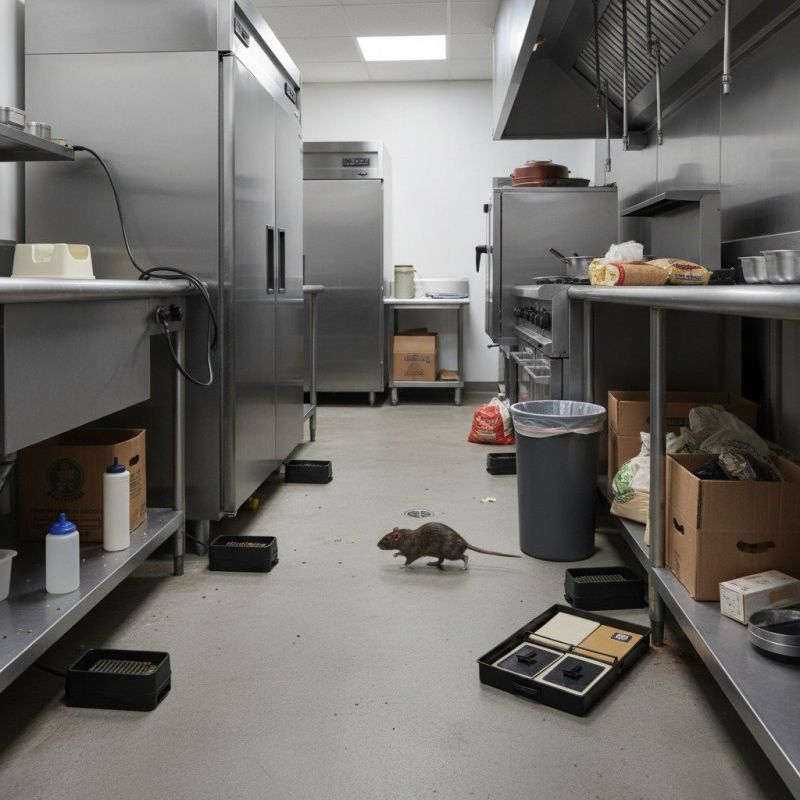
People searching for information about health risks associated with mice and rats in buildings are often concerned about the potential dangers these pests pose to their household or workplace. This topic typically comes up when homeowners notice signs of rodent activity, such as droppings, gnawed wires, or unusual noises, and want to understand the health implications. It is also relevant for property managers or business owners who need to maintain a safe environment for employees and visitors. Understanding these risks helps inform decisions about pest control measures and emphasizes the importance of professional intervention to eliminate the problem effectively.
The health risks linked to mice and rats in buildings are significant and varied. These rodents can carry and transmit numerous diseases directly through bites or indirectly via contaminated surfaces, food, and water sources. Common illnesses associated with rodent infestations include hantavirus, leptospirosis, salmonella, and rat-bite fever. In addition to disease transmission, their droppings and urine can trigger allergic reactions and asthma symptoms, especially in sensitive individuals. Recognizing these health hazards underscores the importance of addressing rodent problems promptly and thoroughly to prevent potential health crises.
The types of properties most often affected by mice and rats include residential homes, especially those with accessible entry points or cluttered spaces that provide nesting sites. Commercial buildings, such as warehouses, restaurants, and retail stores, are also common targets because they offer easy access to food and shelter. Multi-unit housing complexes and older buildings with structural gaps are particularly vulnerable. These properties typically require tailored pest control solutions to not only remove the rodents but also to secure the premises against future invasions. Local service providers specializing in rodent control can assess the specific risks posed by these pests and implement effective strategies to safeguard property and health.
Understanding the connection between property type and health risks associated with mice and rats emphasizes the value of professional pest control services. Local contractors experienced in rodent exclusion and removal can identify entry points, eliminate existing infestations, and implement preventative measures to reduce health hazards. Their expertise helps property owners and managers protect residents, employees, and visitors from the illnesses and allergic reactions associated with rodent-borne pathogens. Engaging with local pros ensures that efforts to control mice and rats are comprehensive, reducing the likelihood of recurring problems and safeguarding overall property health.
Rodent-proofing services - these projects involve sealing entry points and eliminating nesting sites, skills that are essential for reducing health risks associated with mice and rats in buildings.
Sanitation and cleanup projects - professionals in this area focus on removing droppings, nests, and contaminated materials to minimize health hazards caused by rodent infestations.
Pest inspection services - detailed inspections help identify signs of rodent activity, enabling local contractors to address health risks early and prevent further issues.
Building sealing and insulation services - proper sealing and insulation installation help prevent rodent entry, which is crucial for managing health risks linked to mice and rats in structures.
Wildlife exclusion projects - these involve safely removing rodents and preventing re-entry, reducing exposure to disease-carrying pests in buildings.
Structural repair services - fixing damaged areas caused by rodent activity helps eliminate hiding spots and entry points, supporting efforts to reduce health risks associated with mice and rats in buildings.
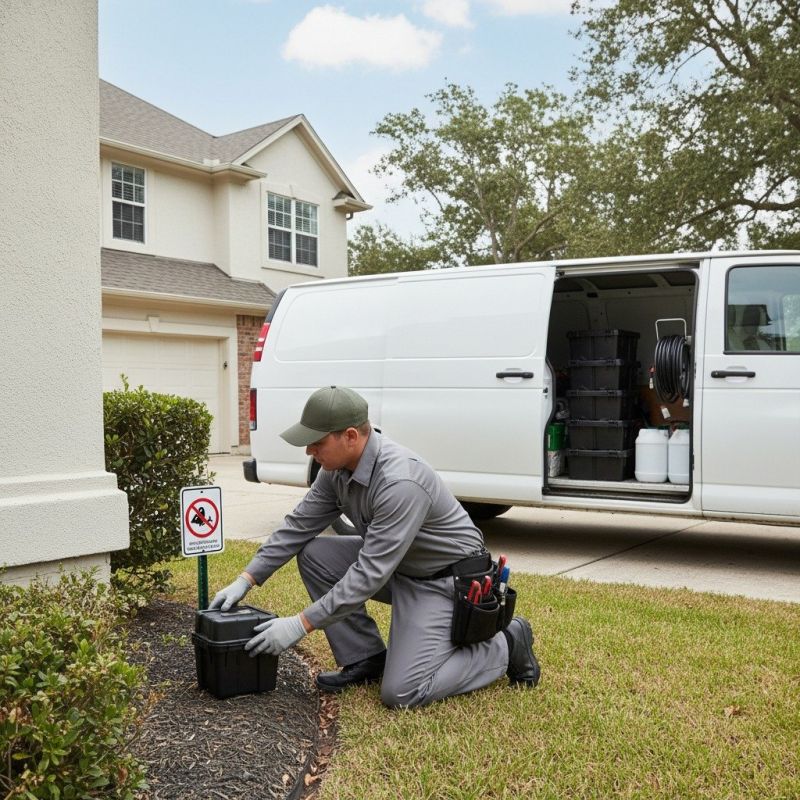
When comparing service providers for mice and rat pest control, it’s important to consider their experience with similar projects. Homeowners should seek out local contractors who have a track record of effectively managing rodent issues in residential buildings. An experienced professional will understand the common ways these pests can impact health and be familiar with the most effective methods to address the problem safely and thoroughly. Asking about past projects or requesting examples of previous work can help gauge a contractor’s familiarity with issues related to health risks associated with mice and rats in buildings.
Clear written expectations are essential when selecting a pest control provider. Homeowners should look for service providers who can outline the scope of work, including inspection procedures, treatment methods, and follow-up measures. Having detailed documentation helps ensure both parties understand what will be done to reduce health risks associated with mice and rats in buildings. This clarity minimizes misunderstandings and provides a basis for evaluating the effectiveness of the service, which is especially important when addressing health concerns linked to rodent infestations.
Reputable references and good communication are key factors in choosing a dependable local contractor. Homeowners are encouraged to seek out service providers with positive references from previous clients, especially those who have dealt with similar issues. Reliable communication ensures that questions about health risks associated with mice and rats in buildings are answered thoroughly and promptly. A contractor who listens carefully and explains their approach clearly can help homeowners feel confident that the problem will be managed properly, reducing potential health hazards and ensuring peace of mind throughout the process.
Property owners often search for health risks associated with mice and rats in buildings when they are planning practical projects around their homes and businesses. Local pros provide Mice and Rat Pest Control services for everyday jobs and straightforward project options.
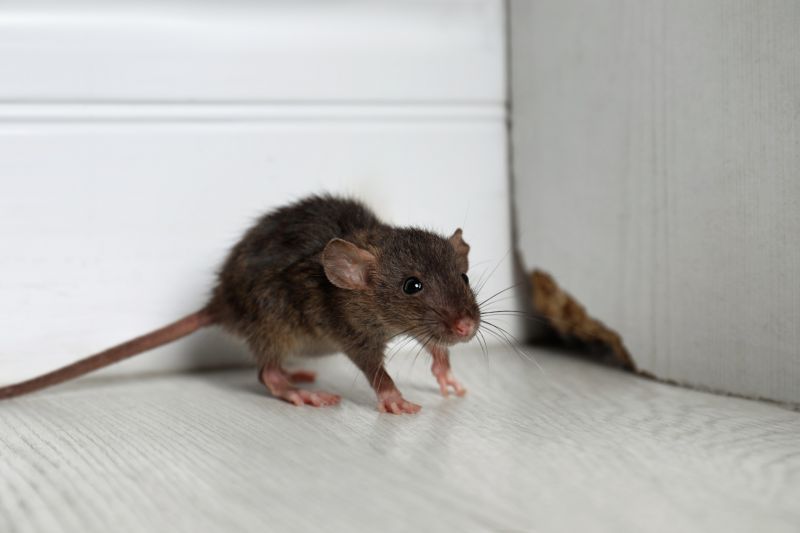
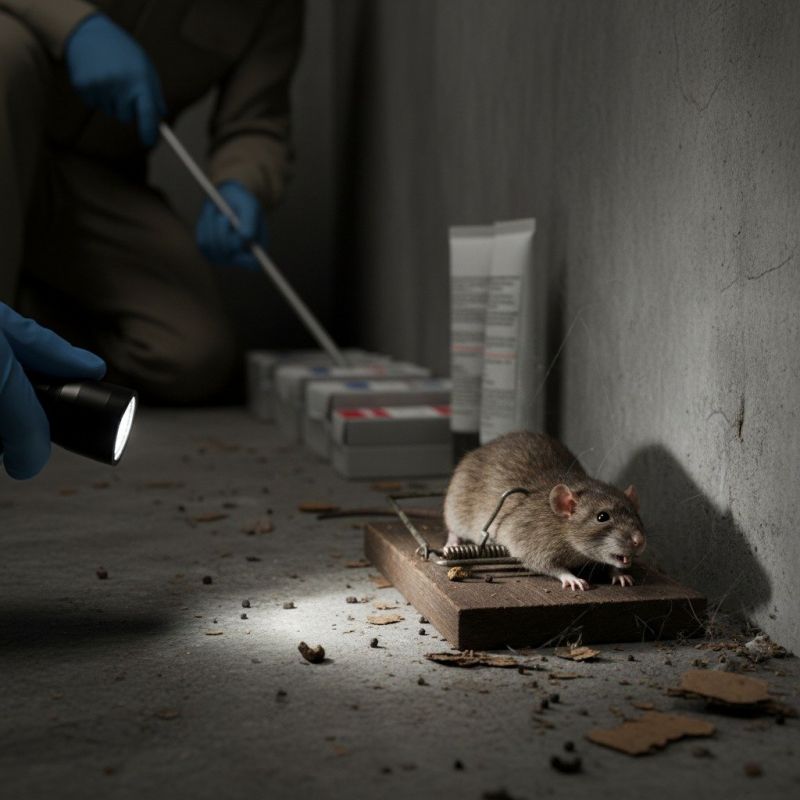
Mice and rats in buildings can pose significant health risks that property owners should be aware of, especially when dealing with common pest issues in the area. These rodents are known to carry and transmit various diseases through their droppings, urine, and saliva, which can contaminate food supplies and surfaces within homes or commercial spaces. Additionally, their presence can trigger allergies and respiratory problems, particularly in sensitive individuals. Because of these health concerns, many property owners seek the expertise of local contractors who specialize in mice and rat pest control to effectively remove infestations and reduce health hazards.
Engaging with experienced service providers can help ensure that any rodent problems are addressed safely and thoroughly. Local pest control professionals have the knowledge and tools to identify entry points, eliminate active infestations, and implement preventative measures that minimize the risk of future issues. For property owners concerned about health risks associated with mice and rats in buildings, connecting with local contractors offers a practical step toward maintaining a healthier environment and safeguarding the well-being of everyone inside.
What health risks are linked to mice and rats in buildings? Mice and rats can carry diseases such as hantavirus, leptospirosis, and salmonella, which can pose serious health risks to occupants. Local contractors experienced in pest control can help remove these rodents and reduce exposure to these health hazards.
How do mice and rats affect indoor air quality? The presence of rodents can lead to increased allergen levels and the spread of bacteria through droppings and urine, impacting indoor air quality. Pest control professionals can eliminate the source of contamination to improve overall health conditions.
Can rodents cause allergic reactions or respiratory issues? Yes, rodent droppings, urine, and shed fur can trigger allergies or worsen respiratory problems, especially in sensitive individuals. Local service providers can perform effective removal and sanitation to minimize these health concerns.
What are the potential consequences of ignoring a rodent infestation? Ignoring rodent problems can lead to the spread of diseases, contamination of food supplies, and structural damage. Pest control experts can address these issues to help protect health and property.
How can professional pest control services reduce health risks associated with rodents? Local contractors can safely remove rodents, seal entry points, and clean contaminated areas, significantly lowering the health risks linked to mice and rats in buildings.
Identify entry points - property owners can work with local contractors to find and seal gaps that allow mice and rats to enter buildings, reducing health risks associated with mice and rats in buildings.
Implement sanitation measures - ensuring proper waste management and removing food sources can help prevent rodent infestations and minimize associated health hazards.
Establish exclusion barriers - local pros can help install barriers that keep mice and rats out of attics, basements, and crawl spaces, lowering the risk of disease transmission.
Schedule regular inspections - routine assessments by service providers can detect early signs of rodent activity, helping to mitigate health risks associated with mice and rats in buildings.
If you are thinking about health risks associated with mice and rats in buildings for a property, this guide is meant to help you understand this topic, the typical project types, and how different options might fit your plans.
When you are ready, you can use the quote form on this page to share a few details about your project. From there, local pros can review the basics and follow up with options that match what you have in mind.